






Stump Grinding: The Complete Guide to Removing Tree Stumps Safely and Effectively
Stump grinding is an essential part of tree care that ensures your yard stays safe, clean, and functional after a tree has been removed. Whether you choose to DIY or call in the pros, knowing the ins and outs of the process helps you make smart, cost-effective decisions.
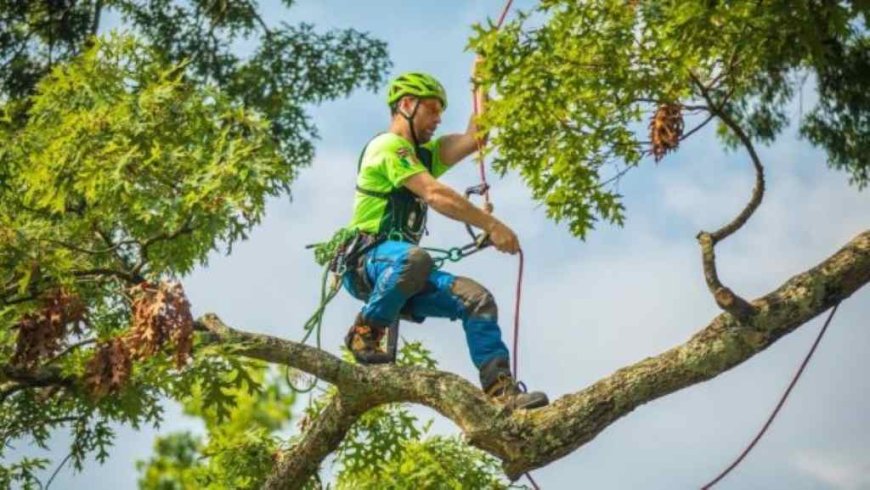
So, you've removed a treegreat job! But now you're stuck with that unsightly stump smack in the middle of your yard. Its not just an eyesore, it can also become a tripping hazard, attract pests, and even interfere with new landscaping plans. The solution? Stump grinding. It's one of the most efficient ways to completely get rid of leftover stumps and reclaim your outdoor space. In this guide, well break down everything you need to know about stump grinding what it is, how it works, when to do it, and whether you should DIY or call in the pros.
What is Stump Grinding?
Stump grinding is the process of using a machine with a spinning cutting wheel to shred a tree stump into small wood chips. Unlike stump removal, which involves digging out the entire root system, stump grinding focuses on breaking the stump down below ground level.
Why You Should Consider Stump Grinding
1. Improve Aesthetics
Lets be honest a stump ruins the look of a beautiful lawn or garden. Grinding it down creates a cleaner, more polished look.
2. Free Up Space
Whether you want to plant new trees, lay sod, or build a patio, a stump just gets in the way.
3. Prevent Pest Infestation
Old stumps attract termites, beetles, ants, and even fungi that can spread to healthy trees or your home.
4. Safety First
Stumps can be tripping hazards, especially for children or during lawn maintenance.
5. Avoid Regrowth
Some tree stumps try to grow back. Grinding destroys the base, reducing chances of regrowth.
Stump Grinding vs. Stump Removal
| Feature | Stump Grinding | Stump Removal |
|---|---|---|
| Depth | 412 inches below ground | Full root system removed |
| Invasiveness | Less invasive | More digging, more damage |
| Time | Faster | Slower |
| Cost | More affordable | More expensive |
| Best For | Residential yards | Construction or full landscaping projects |
How Does Stump Grinding Work?
1. Inspection and Setup
The area around the stump is cleared of rocks and debris. Safety gear is worn, and proper positioning is crucial.
2. Grinding Begins
The stump grinders rotating blade chips away the wood layer by layer. The operator moves the machine back and forth until the stump is ground below surface level.
3. Clean-Up
The leftover mulch can be used as ground cover or removed. Youre left with a level patch of earth, ready for whatevers next.
What Happens to the Roots?
Stump grinding does not remove deep roots. However, those roots will naturally decompose over time and generally dont cause issues unless the tree was very large or invasive.
Should You DIY Stump Grinding?
Pros:
-
Cost-effective for small jobs
-
Convenient if you have multiple small stumps
Cons:
-
Rental machines are heavy and hard to operate
-
Risk of injury without proper training
-
May not be as thorough as a pro job
Verdict: For small stumps in open areas, DIY might work. But for large or tricky stumps, hiring a professional is safer and more effective.
How Much Does Stump Grinding Cost?
Prices vary based on stump size, location, and accessibility.
Average Cost Estimates (USD):
-
Small stump: $75$150
-
Medium stump: $150$300
-
Large stump: $300$600
-
By diameter: $2$5 per inch
Most companies offer bulk discounts for multiple stumps.
When Is the Best Time to Grind a Stump?
You can grind a stump any time of year, but late fall or early spring is often best. The ground is softer, and its easier to reseed or landscape afterward.
How Long Does Stump Grinding Take?
Typically, grinding a single stump takes 1590 minutes depending on size and depth. Clean-up adds extra time if you're removing the mulch.
What to Do After Stump Grinding
1. Decide What to Do With the Mulch
Use it around garden beds, trees, or dispose of it if not needed.
2. Fill the Hole
Top up the hole with soil and pack it down to prevent sinking.
3. Reseed or Replant
Sow grass seed or plant a new tree or flowers over the site.
Hiring the Right Stump Grinding Service
Look for:
-
Licensed and insured professionals
-
Modern equipment
-
Positive online reviews
-
Clear pricing and timelines
-
Guarantees on service
Avoid anyone who doesnt offer a written estimate or seems to rush the job.
Environmental Benefits of Stump Grinding
-
Promotes healthier soil and grass
-
Reduces reliance on chemical herbicides
-
Encourages natural decomposition of wood
-
Prevents invasive root systems from harming nearby plants
Conclusion
Stump grinding is an essential part of tree care that ensures your yard stays safe, clean, and functional after a tree has been removed. Whether you choose to DIY or call in the pros, knowing the ins and outs of the process helps you make smart, cost-effective decisions. So, dont let that old stump rot in your yard grind it down and give your landscape a fresh start.
FAQs
1. Can all stumps be ground down?
Most can, but very large or old stumps may require specialized equipment.
2. Will grass grow where the stump was?
Yes, after filling and leveling the area with topsoil, you can successfully grow grass or plants.
3. Is stump grinding noisy or messy?
Yes, its noisy and can get dusty, but pros will typically handle cleanup.
4. How deep should a stump be ground?
412 inches below ground is standard, depending on future landscaping needs.
5. Can I rent a stump grinder myself?
Yes, most hardware stores offer rentals, but they require strength and caution to use safely.