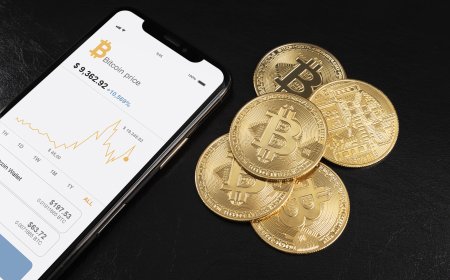






receiving international payments via crypto
In today’s digital-first world, international payments are becoming faster, more efficient, and increasingly borderless. One of the most innovative methods of receiving cross-border payments is through cryptocurrency. Whether you are a freelancer, e-commerce seller, or a business owner, accepting crypto can streamline your global transactions and reduce costs. This blog explains how receiving international payments via crypto works, its advantages, key risks, and the steps to get started.

What is Cryptocurrency?
Cryptocurrency is a form of digital currency that operates on blockchain technology. Unlike traditional fiat currencies, crypto is decentralized, meaning it is not controlled by any government or financial institution. Bitcoin, Ethereum, USDT (Tether), and USDC are among the most popular cryptocurrencies used for payments.
Why Use Cryptocurrency for International Payments?
1. Faster Transactions
Crypto transactions are processed in minutes, not days. Traditional bank wires, especially international ones, can take 37 business days. With crypto, there is no waiting for clearing houses or banking hours.
2. Lower Fees
Bank wires and international transfer services often charge high fees, including conversion and service charges. Crypto transactions typically come with minimal network fees, making it a cost-effective solution.
3. Global Accessibility
Anyone with a smartphone and an internet connection can access cryptocurrency wallets. This enables seamless payment acceptance from clients and customers anywhere in the world.
4. No Currency Conversion Hassles
Receiving crypto eliminates the need to deal with fluctuating exchange rates or conversion fees. You receive payments in a digital currency that can later be converted into your preferred local currency.
Common Cryptocurrencies for Receiving Payments
-
Bitcoin (BTC): The most recognized and widely used crypto.
-
Ethereum (ETH): Preferred for smart contracts and faster settlement.
-
Tether (USDT) / USD Coin (USDC): Stablecoins pegged to the US dollar, ideal for reducing volatility.
How to Start Accepting Crypto Payments
Step 1: Create a Digital Wallet
Choose a secure crypto wallet. There are two main types:
-
Custodial Wallets (e.g., Binance, Coinbase): Easy to use, managed by exchanges.
-
Non-Custodial Wallets (e.g., MetaMask, Trust Wallet): You control your private keys.
Step 2: Choose a Payment Processor
If you're a business, use crypto payment processors like:
-
BitPay
-
CoinGate
-
NOWPayments
These platforms generate payment links or QR codes and can automatically convert crypto to fiat if needed.
Step 3: Invoice and Receive Payments
For freelancers, you can include your wallet address or payment link in invoices. For businesses, integrate a crypto gateway into your website or checkout page.
Step 4: Convert to Local Currency (Optional)
You can convert crypto to your local currency using exchanges such as Binance, Coinbase, or Kraken. Alternatively, keep the crypto in your wallet for future use or investment.
Key Risks and Considerations
1. Volatility
Crypto prices can fluctuate rapidly. To manage this, many choose stablecoins or convert funds to fiat immediately after receiving payment.
2. Regulatory Issues
Always check the regulations in your country regarding crypto payments and taxation. Some jurisdictions may have restrictions or require reporting.
3. Security
Use two-factor authentication, store private keys safely, and avoid using public Wi-Fi when accessing your wallet.
Best Practices for Receiving Crypto Payments
-
Use reputable platforms and wallets.
-
Double-check wallet addresses to avoid loss of funds.
-
Clearly inform your clients about payment terms and the exact crypto amount.
-
Keep track of all transactions for tax and accounting purposes.
Conclusion
Receiving international payments via cryptocurrency is no longer just a trend its a practical solution for modern freelancers, businesses, and e-commerce entrepreneurs. With lower fees, faster processing, and global accessibility, crypto provides a powerful alternative to traditional banking systems. As long as you understand the risks and follow best practices, accepting crypto payments can be a game-changer for your financial operations.
Important Links